If your home needs more than a quick tidy-up — if the grease behind the stove, the grout in the shower, and the dust on the baseboards have all reached the point of no return — you're probably looking at a deep clean. And the first question is always the same: what's this going to cost me? The honest answer is "more than a standard clean, and here's exactly why." This is a clear, no-surprises guide to what a deep cleaning costs in 2026, what pushes the price up or down, when it's worth it, and how to get a number you can trust for your own home.
The short answer
For an average home, a one-time deep cleaning usually costs about $200 to $400, with the typical job landing around $260 (Angi). A small apartment can come in well under that range; a large home, or one that hasn't had a real cleaning in a long time, can run above it. Treat it as a starting point — your real number depends on the factors below.
Priced by square foot or by the hour
Many cleaners price a deep clean by size. That runs roughly $0.15 to $0.30 per square foot — about $230 to $600 for an average-sized house (HomeGuide). Others charge by the hour: expect around $25 to $60 per cleaner per hour for detailed deep-clean work (HomeGuide). Neither method is better in itself. What matters is that you know which one you're being quoted and whether the final number is fixed or can grow.
Why a deep clean costs more than a standard clean
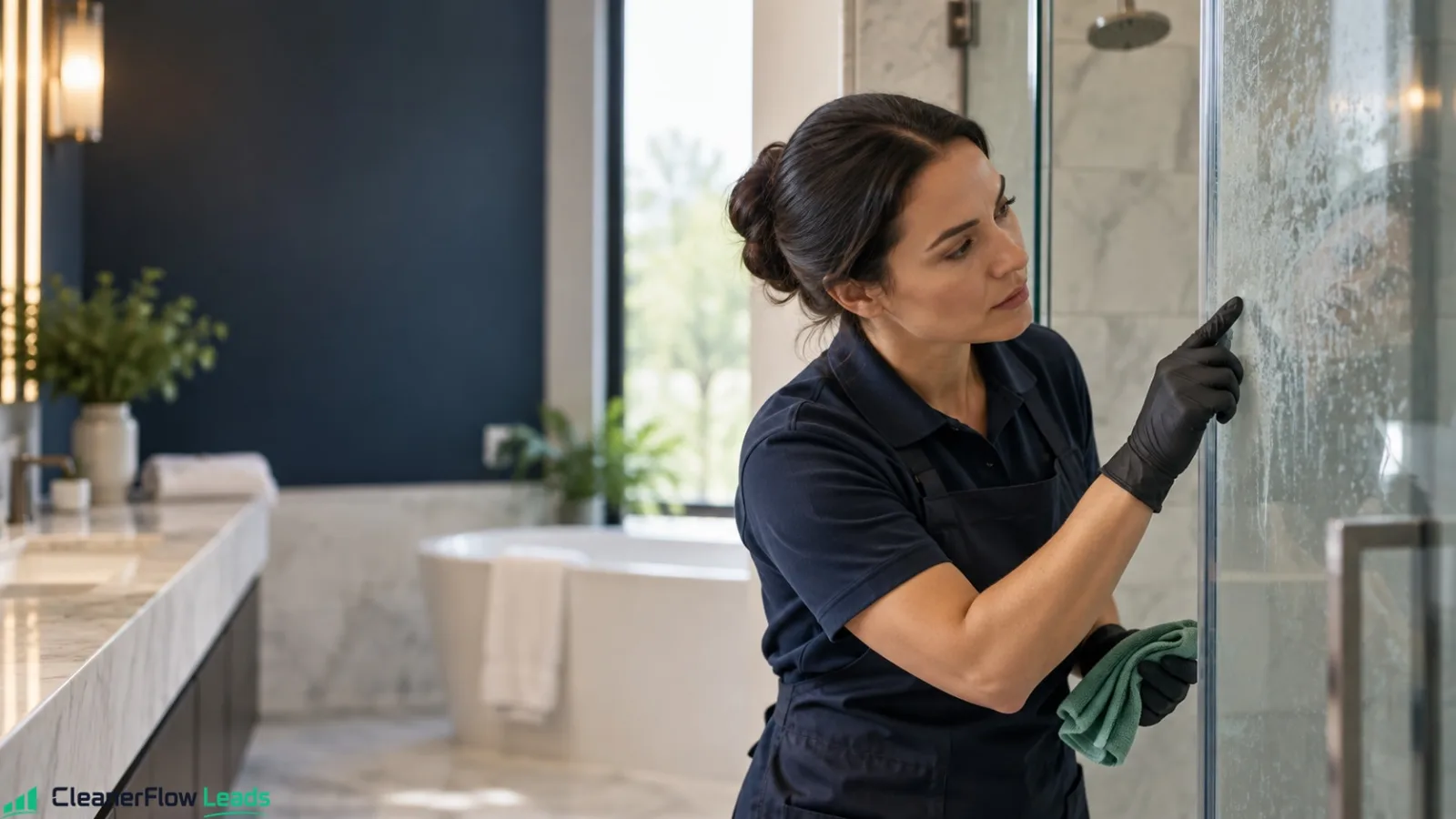
A deep clean is not a longer version of your regular tidy-up — it's a different job. A standard clean keeps an already-clean home fresh: floors, surfaces, bathrooms, kitchen, dusting. A deep clean reaches everything a standard clean skips: inside the oven and refrigerator, behind and under furniture, baseboards, light fixtures, ceiling fans, window tracks, and scrubbing built-up grime out of grout. All of that takes far more time and hands-on effort.
How much more, in plain terms
That extra work shows up in the price. Most cleaners charge 50% to 100% more for a deep clean than for a standard clean (Thumbtack, HouseCall Pro). Put simply, whatever a standard clean of your home costs, a deep clean of the same home commonly lands at one and a half to two times that. You're not paying a premium for the same service — you're paying for a much bigger job.
Price factor: the size of your home
More square footage and more bathrooms mean more time, and time is what you're paying for. That's why most deep cleans are priced per square foot or per hour (Angi). Bathrooms weigh more than bedrooms, because they hold the soap scum, hard-water marks, and grout that take the longest to scrub.
Price factor: condition and buildup
A home with months of grease, soap scum, and dust takes much longer to reset than one that's only a little behind. The more buildup, the higher the price. Pets, a busy kitchen, and a long stretch without cleaning all add to it. Being upfront about the condition is the fastest way to a quote that won't change on the day.
Price factor: add-ons
Inside windows, carpet or upholstery cleaning, walls, or laundry each add time and cost on top of the deep clean. Carpet cleaning alone can run about $150 to $200 per room (Angi), so it's quoted separately. If you want a sense of your own range before you call anyone, you can estimate your cost with a few quick details about your home.
Deep clean vs. standard clean: side by side
It helps to see the two next to each other:
- Standard clean — routine upkeep of an already-clean home: floors, surfaces, bathrooms, kitchen, dusting. It costs noticeably less per visit, and less again on a recurring schedule.
- Deep clean — the detailed reset: inside appliances, baseboards, grout, light fixtures, behind furniture, built-up grime. Typically $200–$400 for an average home (HouseCall Pro) — about 50–100% more than standard.
The big difference is coverage. A standard clean keeps things fresh; a deep clean makes a home genuinely clean again, top to bottom.
First deep clean vs. ongoing upkeep
Here's a money-saving pattern many homeowners use. The first deep clean is the expensive one, because it brings a neglected home up to a clean baseline. A home that's kept up needs far less effort afterwards, so you don't need a full deep clean every time — regular standard cleanings keep the home at that baseline for much less.
Many cleaning companies build this in directly: they charge a higher first-time or initial deep-clean fee — often 25–50% more — to get the home to baseline, then switch you to lower-priced maintenance visits, with recurring cleans often running 10–15% below the first-clean price (Casabella Cleaning). Over a year, that pattern almost always costs less in total than letting your home slide and paying for repeated deep cleans.
Would you rather have someone else do this one?
Get up to 3 local cleaners →When a deep clean is worth it
A deep clean isn't something most homes need every month — but there are clear moments when it pays for itself:
- Before starting a regular service. Most reputable cleaners want to deep clean once at the start so future visits can stay quick and affordable.
- Spring or seasonal reset. Once or twice a year, to reach everything routine cleaning misses.
- Before or after a big event. A holiday, a party, or hosting family.
- After a renovation, illness, or a long stretch with no cleaning. When normal upkeep simply isn't enough to undo the buildup.
- Moving in or out. A move-out or move-in clean is essentially a deep clean, and it's the most thorough of all.
If you're not sure whether you need a deep clean or a standard one, a good house cleaner will tell you honestly after seeing the space — and won't upsell you into the bigger job when you don't need it.
How long a deep clean takes
There is no single answer, because time follows the same factors as price: size, bathrooms, and buildup. Expect it to take clearly longer than a standard visit, and ask for an estimated duration with the quote. A team finishes sooner than one person working alone, but it isn't automatically cheaper — you're paying for the same total hours. For a very neglected home, some cleaners split the work into two visits, which is often easier on your schedule than losing a whole day.
How to get an accurate quote
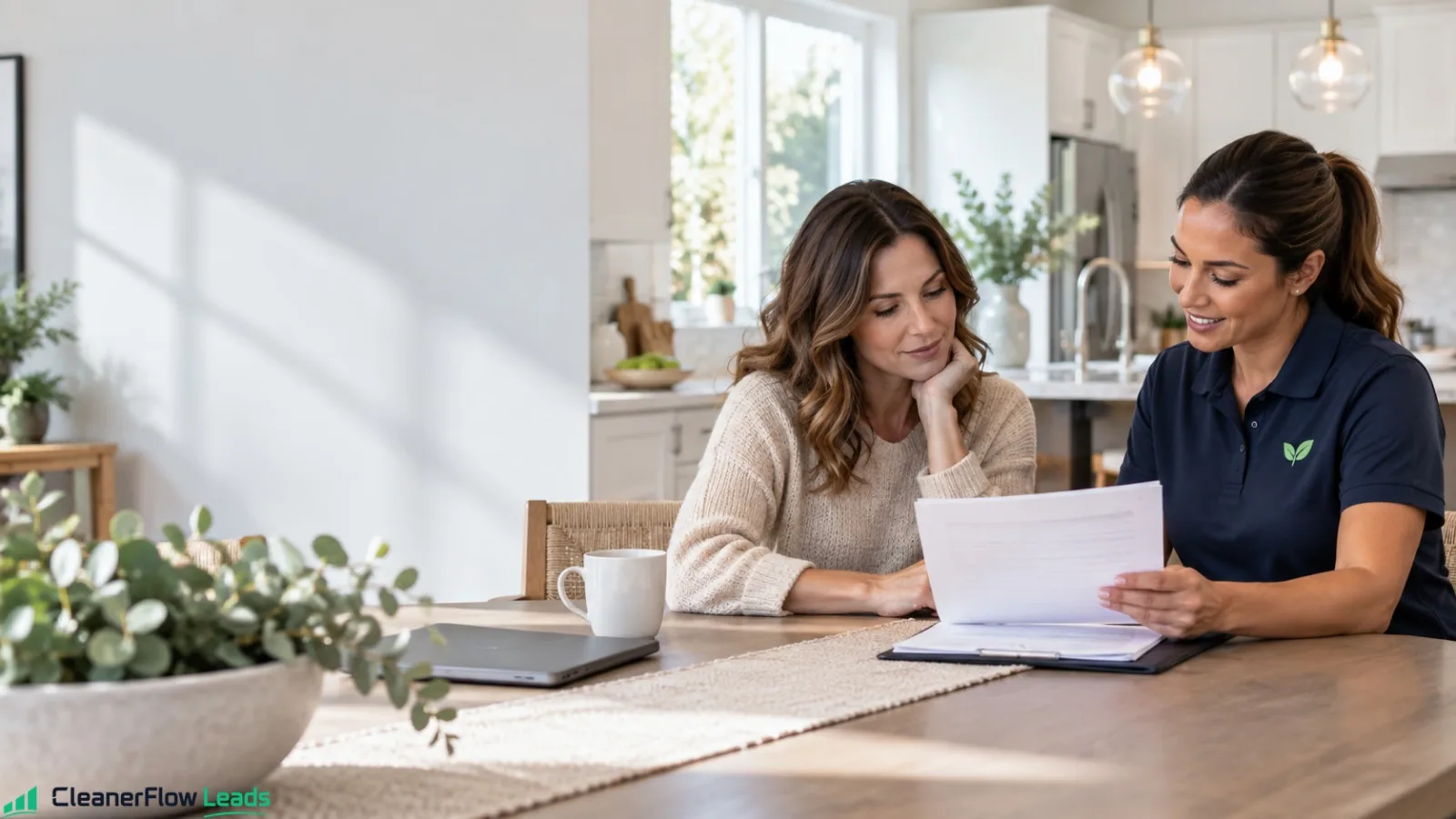
No online guide can price your exact home — only a quote can. Tell the house cleaner your home's size, how many bathrooms, the condition (be honest about the buildup), whether it's a first-time clean, and any add-ons you want. With that, you'll get a real number instead of a guess. The best way is to describe your home once and let vetted local cleaners come back to you. You can request a cleaning and get matched with local pros in a couple of minutes, then compare. Ask for a flat, all-in price whenever you can — it's the easiest to budget and the hardest to pad later.
Questions to ask before you book
A few questions protect you from most surprises:
- What exactly is included, and can I have it in writing?
- Is the price fixed, or can it change once you see the home?
- Are you insured, and what happens if something is damaged?
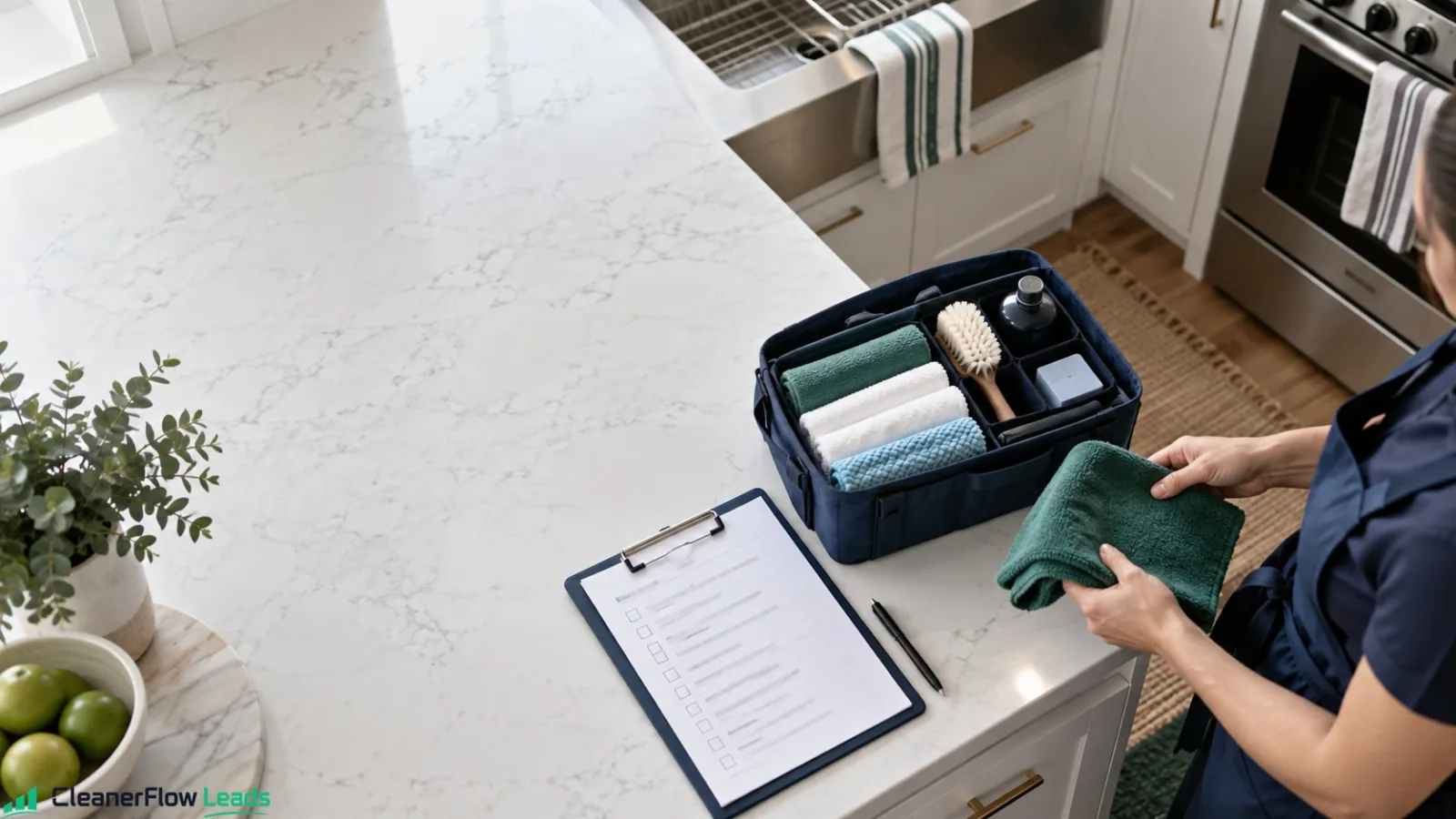
- Do you bring your own supplies and equipment?
- If something on the list isn't done, will you come back to fix it?
- What is your cancellation and rescheduling policy?
Clear, quick answers are a good sign. Vague ones are worth noticing before you hand over a key.
Red flags of a quote that's too cheap
With a deep clean especially, a price far below everyone else's is usually a warning, not a win. A real deep clean takes hours of hard, detailed work, so a rock-bottom number often means the cleaner plans to rush, skip the hidden areas you're paying for, add "surprise" charges later, or isn't insured. The cheapest option frequently costs more once you factor in a redo, a no-show, or a dispute over damage or missing items. Look for a clear written scope of exactly what the deep clean includes, fair pricing in the normal range, reviews from real clients, and a professional who answers quickly. Fair beats cheap every time.
Spend less by cutting rooms, not thoroughness
If the quote is more than you planned, the instinct is to ask for a discount. That rarely works and usually produces a worse clean at a slightly lower price. There are better levers, and every one of them is about reducing the work rather than the rate.
The biggest one: a deep clean of the kitchen and bathrooms, with a standard clean everywhere else, costs far less than deep cleaning the whole house and delivers most of the visible difference. Those two rooms are where deep cleaning actually shows.
Do the tidying and emptying yourself
Clearing surfaces, floors and counters before the visit removes real time from the job, and most professionals will price accordingly if you say in advance that the house will be clear. Emptying the fridge and the oven beforehand helps too. Both are time sinks, and the removal part is work you can do while watching television. For a full list, see how to prepare for a house cleaner.
Book at a quieter time
Move-outs make some days fill up fast, especially near the end of the month and the end of the week. Ask your cleaner which days are calmer. A mid-week, mid-month slot is the same work at a quieter moment, and there is often more flexibility on price.
Commit to what comes after
A deep clean followed by a standing fortnightly visit is worth more to a cleaner than a one-off, and it is normal for the deep clean to be priced better when it is the start of something rather than a single job.
What not to do is ask someone to do the same scope for less. You will get the same number of hours cut out of the job somewhere you cannot see, which is the one place you least want them cut.
The bottom line
Expect roughly $200–$400 for a deep cleaning of an average home — about 50–100% more than a standard clean — with the exact number driven by your home's size, how much grime has built up, and whether it's a first-time reset. The smart move is to deep clean once to get to a clean baseline, then keep it there with regular upkeep for much less. Get a real quote, check exactly what's included, and choose the professional you trust to do it right, not just the lowest bidder. When you're ready, request a cleaning and get matched with vetted local pros.
Sources
Luciano Rezende · Founder, CleanerFlow
Luciano founded CleanerFlow after years building tools for residential cleaning professionals. He writes about the economics of getting clients, pricing jobs, and running a cleaning business that lasts.
Three trusted local cleaners — without the flood of spam calls.
Tell us what you need once. We share it with up to three qualified local pros, whoever takes it reaches out, and you pick from those who do.
- Up to 3 pros
- No account, no spam
- Stop any time